What is KYC? A Complete Guide to Its Meaning, Types, and Benefits
❤️ Spread the Love
Suppose you’re sitting in a cafeteria when a stranger walks up to you and asks you personal questions about your identity. Would you like it? Probably not. As a fintech company, creating an environment that is comfortable and trustworthy for our clients is essential. This is where the Know Your Customer (KYC) comes in place. KYC is a process through which fintech companies like PayMe, verify the identity of their customers to make sure that they are who they claim to be.
This blog will explore everything you need to know about KYC and why it is essential.
What is KNOW YOUR CUSTOMER?
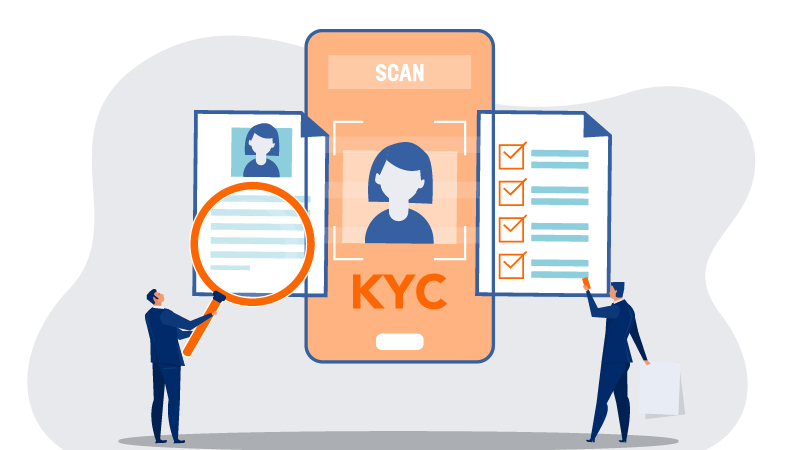
The Know your customer (KYC) is a set of procedures essential for any Fintech company to build trust and strengthen its bond with its client. KYC involves verifying customers’ identity, understanding their financial activities, and gathering information like address proof and date of birth to ensure that the client is not pretending to be someone else.
The primary objective of KYC is to evaluate the potential risks of money laundering that can be associated with a customer and to check whether the source of funds of a customer is legal or not. This is done so that the institution can carefully monitor the customer’s transactions and detect suspicious activities if there exist any.
Why Is KYC Important??
Fintech companies like PayMe deal with sensitive financial data and transactions, making them an easy target for fraudsters. These fraudsters can easily pretend to be someone else and carry out illicit activities. KYC prevents such frauds from occurring by verifying the identity of their customers. Fintech companies also comply with regulations such as Anti Money Laundering (AML) and Counter-terrorist financing (CTF) with the help of KYC as it helps prevent money laundering and other financial frauds.
Types of KYC:
There are majorly four types of KYC:
1. Simplified KYC: It is a smooth-running version of KYC that makes it easier for a customer to open an account or access financial services. This type of KYC is usually used for low-risk customers and reports as their money laundering risk is also low. It gathers minor information about customers, like biometric authentication, ID verification, occupation, etc., to verify their identity. Simplified KYC provides easier access to financial services for customers as it can help reduce the cost and time associated with the KYC process. These types of KYC procedures are not advised to use by high-risk customers because that could increase the probability of financial crime and regulatory penalties for the institution
Check your eligibility with PayMe now and unlock better financial opportunities. Apply for a Personal Loan Now
2. Full KYC: A “full KYC” is a more thorough user identity verification process. It includes:
- Collecting personal information
- Verifying identity documents
- Conducting background checks (credit history, criminal records, etc.)
- In-person verification
A full KYC is usually used for high-risk customers or accounts.
3. Enhanced KYC: Enhanced KYC is an advanced or modern version of the traditional KYC process. Cutting-edge technologies like machine learning and artificial intelligence are used in enhanced KYC. It gathers additional information about the customer’s identity, source of funds, and financial activities to monitor the risk of fraud or terrorist financing related to the customer. High-risk customers often use this KYC procedure as it is accurate, efficient, and helps prevent data from being stolen.
4. Ongoing KYC: Also called continuous KYC, ongoing KYC is the process of updating and verifying the customer’s identity with time. This is done to keep the information current and track changes. Ongoing KYC includes periodic reviews of customer information like address, documents, occupation, and source of income.
5. Central KYC (CKYC): CKYC is a centralized system introduced in 2016 by the government of India. The significant difference between KYC and CKYC is that the scope of coverage of CKYC is broader than that of KYC. It includes pension funds, mutual funds, etc.
Also, read: How to get an Instant Small Cash Loan on Aadhaar Card?
Benefits of KYC:
As we have already learned that KYC is used to verify the identity of a customer to prevent fraud, let us go through some other benefits of KYC as well:
- Compliance with regulations: KYC complies with AML and CTF regulations to avoid penalties.
- Strengthening company-client relationships: KYC reduces the risk of fraud and creates a trustworthy environment for the company and its clients.
- Protection of customer’s data: KYC ensures that every detail that the customer collects is saved securely
- Better customer experience: trust is one of the most critical things any financial company would want to establish with its customers. KYC helps in building trust and preventing fraud, which increases customer satisfaction.
Conclusion:
Overall, KYC is an essential procedure as it not only strengthens the bond between the user and the company but also reduces the probability of money laundering or fraud by building a secure and trustworthy financial environment and identifying the customer, estimating their risk levels, and observing the transactions made by them. The KYC processes can be manual or automated, using advanced technologies like machine learning, blockchain, biometrics, etc. Even though KYC regulations vary across different countries and industries, they all keep evolving around verifying personal data such as name, address, and government issues identification documents.
Also, read: How to get an instant cash loan in 5 minutes to 1 hour without documents?
By implementing effective KYC procedures, industries and businesses can build trust, reduce risks, and improve their brand’s reputation.
PayMe is an RBI-registered Indian lending fintech company that provides quick and hassle-free loans to individuals and small businesses. PayMe aims to bridge the gap between traditional lending institutions and borrowers who may not meet their stringent requirements. With a user-friendly platform and quick approval process, PayMe is committed to providing its customers with financial freedom and flexibility. The company aims to empower individuals and businesses to achieve their goals by providing timely access to the necessary funds. Payme’s customer-centric approach and innovative technology make it a leader in the Indian lending fintech industry.
Frequently Asked Questions (FAQs) About KYC
- What is KYC in simple terms?
KYC (Know Your Customer) is a process used by banks and financial institutions to verify the identity of their customers to prevent fraud, money laundering, and illegal activities. - Why is KYC important for financial institutions?
KYC helps financial institutions verify that customers are genuine, reduces the risk of financial fraud, ensures compliance with legal regulations like AML and CFT, and builds trust between customers and the institution. - What documents are required for KYC verification?
Common KYC documents include Aadhaar card, PAN card, passport, voter ID, driving license, passport-size photo, and proof of address such as utility bills or bank statements. - What are the different types of KYC?
The main types of KYC include:- Simplified KYC
- Full KYC
- Enhanced KYC
- Ongoing KYC
- Central KYC (CKYC)
- What is the difference between KYC and CKYC?
KYC is done individually by each financial institution, while CKYC (Central KYC) is a centralized database managed by the Government of India where a customer’s KYC details are stored and shared across banks, NBFCs, mutual funds, etc. - Is KYC mandatory for taking a personal loan?
Yes. KYC is mandatory to apply for any financial product like personal loans, credit cards, mutual funds, or opening a bank account as per RBI guidelines. - How long does KYC verification take?
Basic e-KYC can be completed within minutes, while full or in-person KYC may take 24–48 hours depending on document verification and institution policies. - What happens if KYC is not completed?
If KYC is not completed, your account may be restricted, you may not be able to access financial services, withdraw funds, or apply for loans and other financial products. - What is ongoing KYC?
Ongoing KYC, or periodic KYC updates, is the process of regularly updating customer information like address, income source, and identification documents to keep data accurate and prevent financial risks. - Can KYC be done online?
Yes, KYC can be done online through e-KYC using Aadhaar-based OTP verification, video KYC, or biometric authentication, making the process quick and paperless.
About the Author
admin
@admin
View all posts →